BLOG

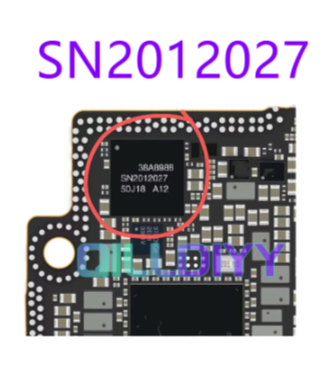
Mastering iPhone 16 Charging Faults: The Indispensable SN2012027-A33 USB Charging IC Solution

06.04.2026 19 Okunma

The Critical Role of the Charging IC in Modern Smartphones

In the rapidly evolving landscape of mobile technology, smartphones like the iPhone 16 series represent the pinnacle of engineering and user experience. However, even these sophisticated devices are susceptible to common technical glitches, with charging issues frequently topping the list of repair shop diagnostics. Users often report their iPhone 16 failing to charge, not being recognized by a computer, or exhibiting 'phantom charging' – where the device appears to be charging but the battery percentage remains stagnant or even decreases. At the heart of many of these complex power management problems lies a tiny yet crucial component: the USB charging control integrated circuit (IC) on the device's motherboard.

For the iPhone 16, this sensitive component is the primary gatekeeper for all power input and data communication via the charging port. When this IC malfunctions, the entire charging ecosystem can collapse, leading to frustrating and often debilitating issues for the user. Identifying and replacing a faulty charging IC is a cornerstone of professional iPhone 16 repair, and for this, the SN2012027-A33 USB Charging IC stands out as a proven and reliable solution.

Understanding the Power Management Ecosystem

A smartphone's charging IC is far more than just a simple power conduit. It's a sophisticated power management unit (PMU) responsible for regulating voltage and current, managing battery health, facilitating fast charging protocols, and enabling seamless data transfer. It acts as a bridge between the external power source (charger, computer) and the internal components (battery, CPU). A healthy charging IC ensures that power is delivered efficiently and safely, protecting the battery from overcharging or deep discharge, and maintaining optimal device performance. When this intricate balance is disturbed, the symptoms can be varied and misleading, often requiring an expert diagnosis to pinpoint the exact cause.

Why the SN2012027-A33 is the Preferred Solution for iPhone 16 Repairs

For technicians specializing in motherboard-level repairs, the quality of replacement components is paramount. The integrity of the repair, the device's long-term stability, and ultimately, customer satisfaction hinge on using parts that meet or exceed original equipment manufacturer (OEM) specifications. The SN2012027-A33 USB Charging IC has emerged as the go-to component for iPhone 16 charging circuit repairs due to several key advantages:

  • Precision Power Management: This IC is engineered to integrate flawlessly with the iPhone 16's advanced power management system. It ensures accurate voltage and current regulation, enabling the device to fully utilize its fast charging capabilities and maintain stable data transfer speeds. This precision prevents common issues like slow charging, intermittent charging, or the device failing to enter fast charge mode, which can often be attributed to an inferior or incompatible IC.
  • Exceptional Thermal Stability: Overheating is a significant concern in power-intensive components. The SN2012027-A33 is constructed from high-quality materials designed to withstand the thermal demands of modern smartphones. Its robust design ensures stable operation even under heavy load, mitigating the risk of heat-induced failures and extending the lifespan of the repaired device. This thermal resilience is crucial for preventing recurring issues and ensuring the longevity of the repair.
  • High Repair Success Rates: One of the most frustrating outcomes for both technicians and customers is a repair that doesn't fully resolve the issue or introduces new problems. The SN2012027-A33 is known for its high success rate post-installation. It avoids common pitfalls such as the dreaded 'Unknown Part' message in iOS, which can appear with non-genuine or poorly compatible components. Instead, it allows the iPhone 16 to draw current at factory-specified values, ensuring the device functions as intended, providing a reliable and lasting fix.
  • Optimized Compatibility and Reliability: Specifically designed for the iPhone 16 series, this IC offers unparalleled compatibility. Its architecture is tailored to interact seamlessly with the device's firmware and hardware, ensuring that all power-related functions, from charging to accessory recognition, operate without glitches. This reliability is critical for maintaining the high performance standards expected from an iPhone.

Identifying Common iPhone 16 Charging Faults Requiring an IC Replacement

Diagnosing a faulty charging IC requires a keen eye and specialized knowledge. Technicians should look for a combination of symptoms that point towards a power management issue rather than a simple battery or port problem. If an iPhone 16 presents with any of the following indicators, a replacement of the SN2012027-A33 may be necessary:

  • No Response to Charger: The device shows absolutely no sign of life when connected to a known-good charger and cable, with no charging icon appearing on the screen.
  • Phantom Charging: The charging indicator appears, but the battery percentage does not increase, or even decreases, over time. This suggests the device is detecting power but not properly managing its input to charge the battery.
  • Device Not Recognized by Computer: When connected to a computer via USB (e.g., iTunes, Finder, 3uTools), the iPhone 16 is not detected, indicating a failure in the USB data communication lines, often controlled by the charging IC.
  • Excessive Heat Around Charging Port/Motherboard: Unusually high temperatures in the vicinity of the charging port or the charging IC area on the motherboard can signify a short circuit or an IC struggling to regulate power.
  • Intermittent Charging: The device charges sporadically, connecting and disconnecting from power without physical intervention, suggesting an unstable power pathway.
  • Slow Charging Despite Original Accessories: Even with certified Apple chargers and cables, the device charges at an abnormally slow rate, failing to engage fast charging protocols.
  • Battery Drain While Charging: In some severe cases, the device might actually lose battery percentage even when plugged in, indicating a significant power management failure.

The Intricacies of iPhone 16 Motherboard Repair and the SN2012027-A33

Repairing a charging IC on an iPhone 16 motherboard is not a task for the faint of heart or the inexperienced. It falls under the category of micro-soldering, a highly specialized skill that requires precision tools, a steady hand, and extensive knowledge of circuit board schematics. The SN2012027-A33 is a surface-mount component, often a ball grid array (BGA) or similar package, meaning it has tiny solder balls underneath that connect it to the motherboard. Replacing it involves:

  1. Careful disassembly of the iPhone 16 to access the motherboard.
  2. Precise identification of the faulty IC.
  3. Using a hot air rework station to safely desolder the old IC without damaging surrounding components.
  4. Thorough cleaning of the solder pads.
  5. Accurate alignment and soldering of the new SN2012027-A33.
  6. Rigorous testing to ensure full functionality.

This intricate process underscores the importance of using a high-quality, reliable replacement part like the SN2012027-A33. A subpar IC can lead to installation difficulties, immediate failure, or latent defects that manifest later, undermining the entire repair effort.

Beyond Simple Component Swaps: The Art of Micro-Soldering

Micro-soldering is an art form that combines technical expertise with meticulous attention to detail. Technicians performing these repairs must understand thermal profiles, solder paste properties, and the delicate nature of modern smartphone motherboards. The successful installation of an SN2012027-A33 ensures not only that the charging function is restored but also that the motherboard's integrity is maintained, preventing further damage or instability. This level of repair demands both the right tools and the right components.

Common Causes Leading to Charging IC Failure in iPhone 16

Understanding why charging ICs fail can help in both diagnosis and prevention. Several factors can contribute to the malfunction of components like the SN2012027-A33:

  • Physical Impact and Drops: Severe drops can cause microscopic cracks in the solder joints or the IC itself, disrupting its internal circuitry.
  • Liquid Damage: Exposure to liquids is a leading cause of electronic component failure. Corrosion can form on the IC's pins or within its internal structure, leading to shorts or open circuits.
  • Using Non-Certified or Cheap Charging Accessories: Low-quality chargers and cables can deliver unstable voltage or current, exceeding the IC's tolerances and causing it to burn out or malfunction over time.
  • Voltage Spikes: Sudden power surges, perhaps from faulty wall outlets or car chargers, can overwhelm the charging IC's protective mechanisms.
  • Wear and Tear: While less common in newer devices, prolonged heavy use and repeated charging cycles can eventually degrade the internal components of any IC.
  • Manufacturing Defects: Although rare, a small percentage of components may have inherent manufacturing flaws that lead to premature failure.

Ensuring Longevity Post-Repair: Best Practices

Once an iPhone 16 charging IC has been successfully replaced with a component like the SN2012027-A33, it's crucial to advise customers on best practices to prevent future issues. This includes recommending the use of MFi (Made for iPhone) certified charging cables and adapters, avoiding charging in extreme temperatures, and being mindful of physical impacts. For technicians, thorough post-repair testing, including charging cycles, data transfer tests, and thermal checks, is essential to guarantee the repair's integrity and provide peace of mind.

Our Recommendation

For professional technicians seeking reliable, high-quality components for iPhone 16 charging circuit repairs, the SN2012027-A33 USB Charging IC is an unparalleled choice. We understand the critical need for precision and durability in micro-soldering repairs. You can find this essential component and many other specialized integrated circuits for your repair needs by visiting our dedicated product page for the SN2012027 A33 iPhone 16 Series Charging IC. Ensure your repairs are built to last with the best parts available, and explore our full range of integrated circuit solutions for modern smartphones today.

İhtiyacın Olan Parça Bizde!

Makalede bahsi geçen teknik servis ve yedek parça ürünleri için mağazamıza göz atın.

Mağazaya Git

Anasayfa
Destek Giriş